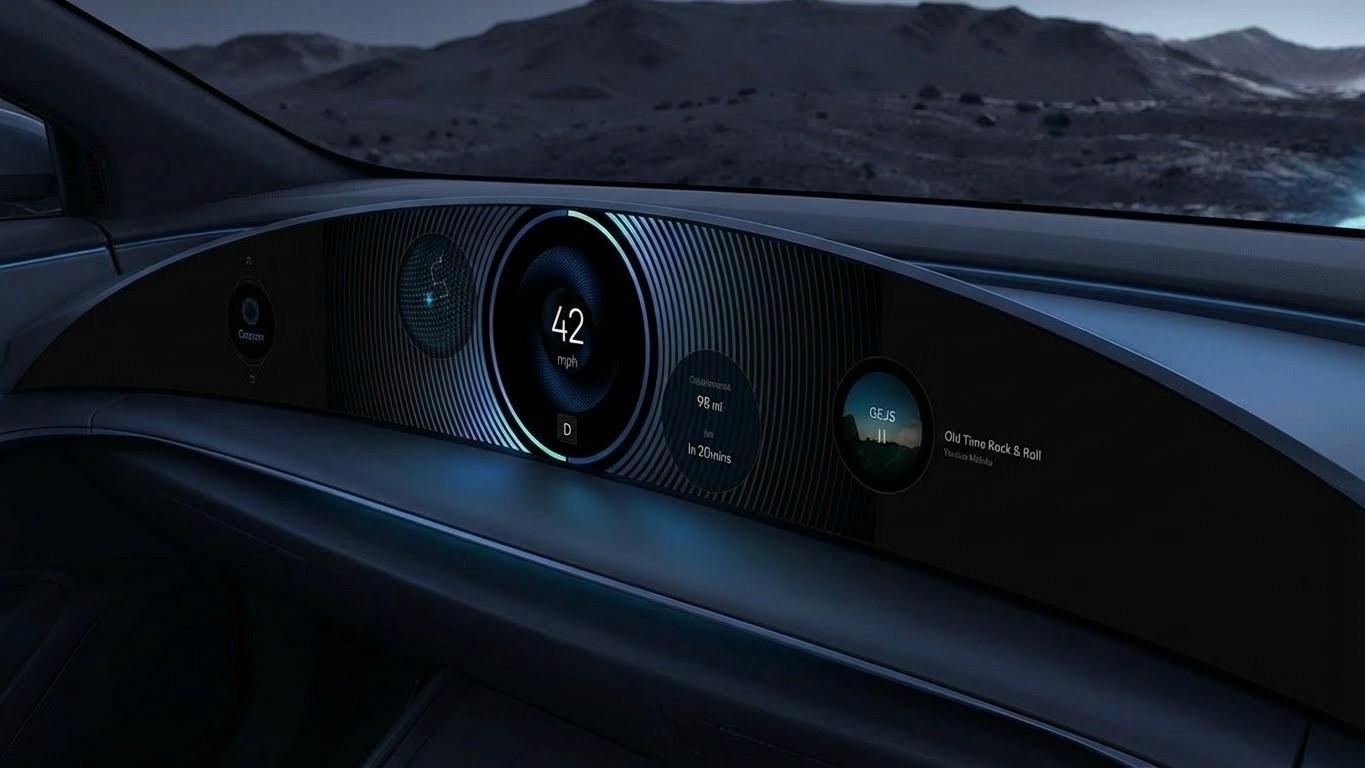
Future Mobility Vehicle Interface Design
Date
Sep - Dec 2025
Core Skills
Automotive Interface Design
Concept-Driven Design (From Scratch)
UX/UI Leadership & Cross-Functional Collaboration
Tool
Figma
ChatGPT
Veo
Gemini
Adobe Photoshop
Adobe Illustrator
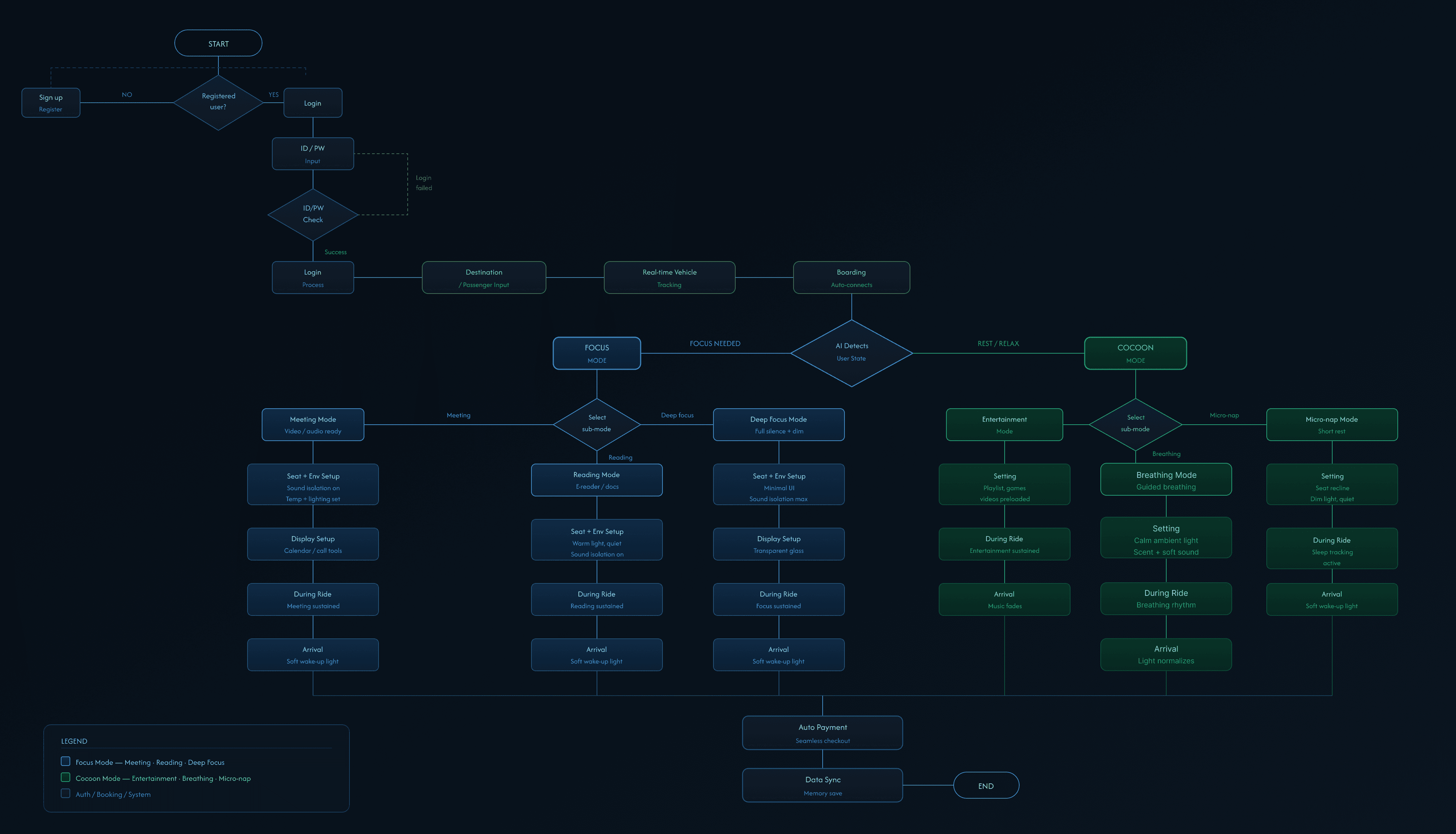
Led a future automotive interface project focused on interface design, user flows, and future mobility research. Analyzed current vehicle pain points, autonomous driving trends, and future user needs to define how automotive interfaces should evolve.
As the UX/UI Lead, owned the design direction from concept to system definition. Through desk research, flow design, and future scenario analysis, translated insights into a clear and intuitive interface vision for emerging vehicle environments.
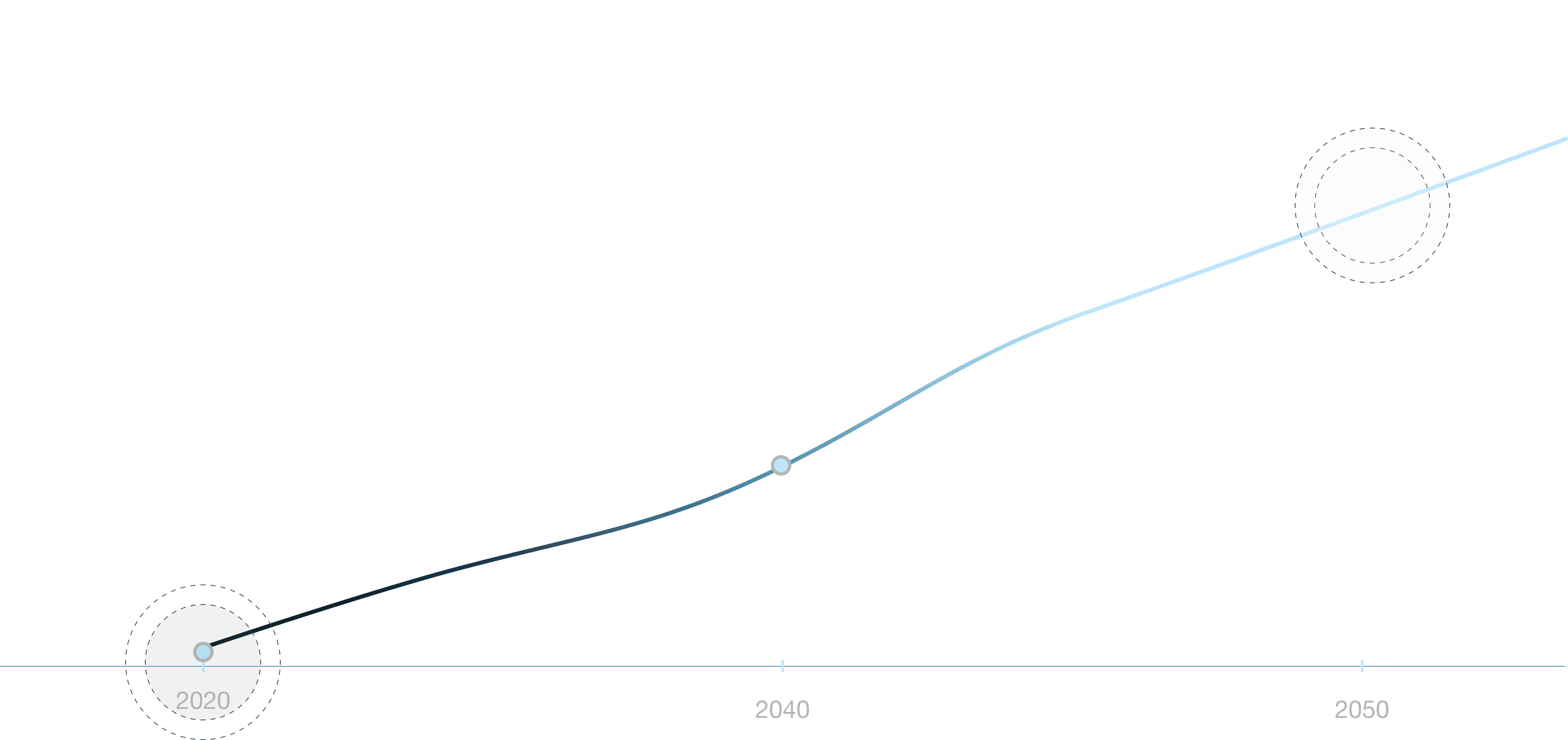
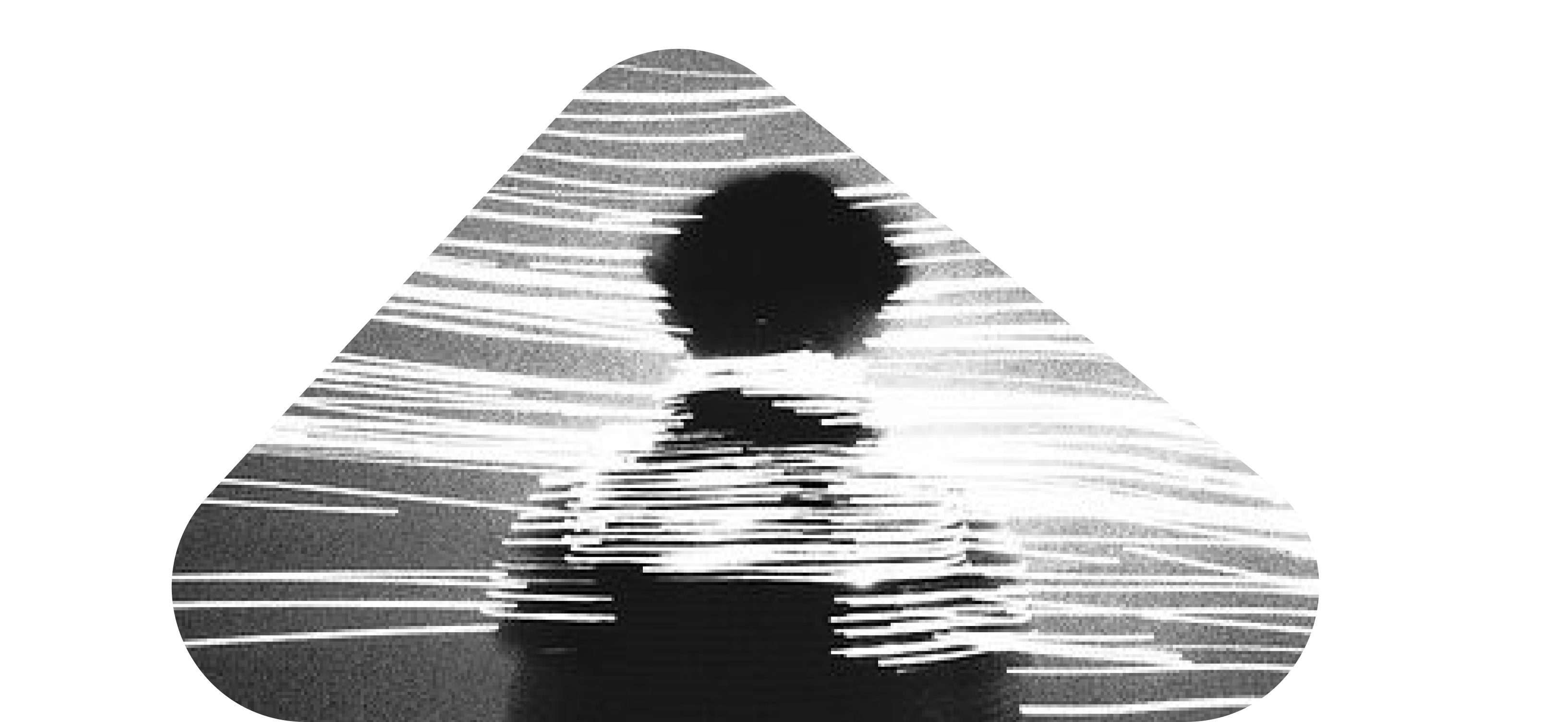
MOBILITY IN 2050: THE NEXT WAVE
Humanity in Transition
“More people, less space:
by 2050 nearly 7 in 10 people will live in cities.”
Source: United Nations, 2023)
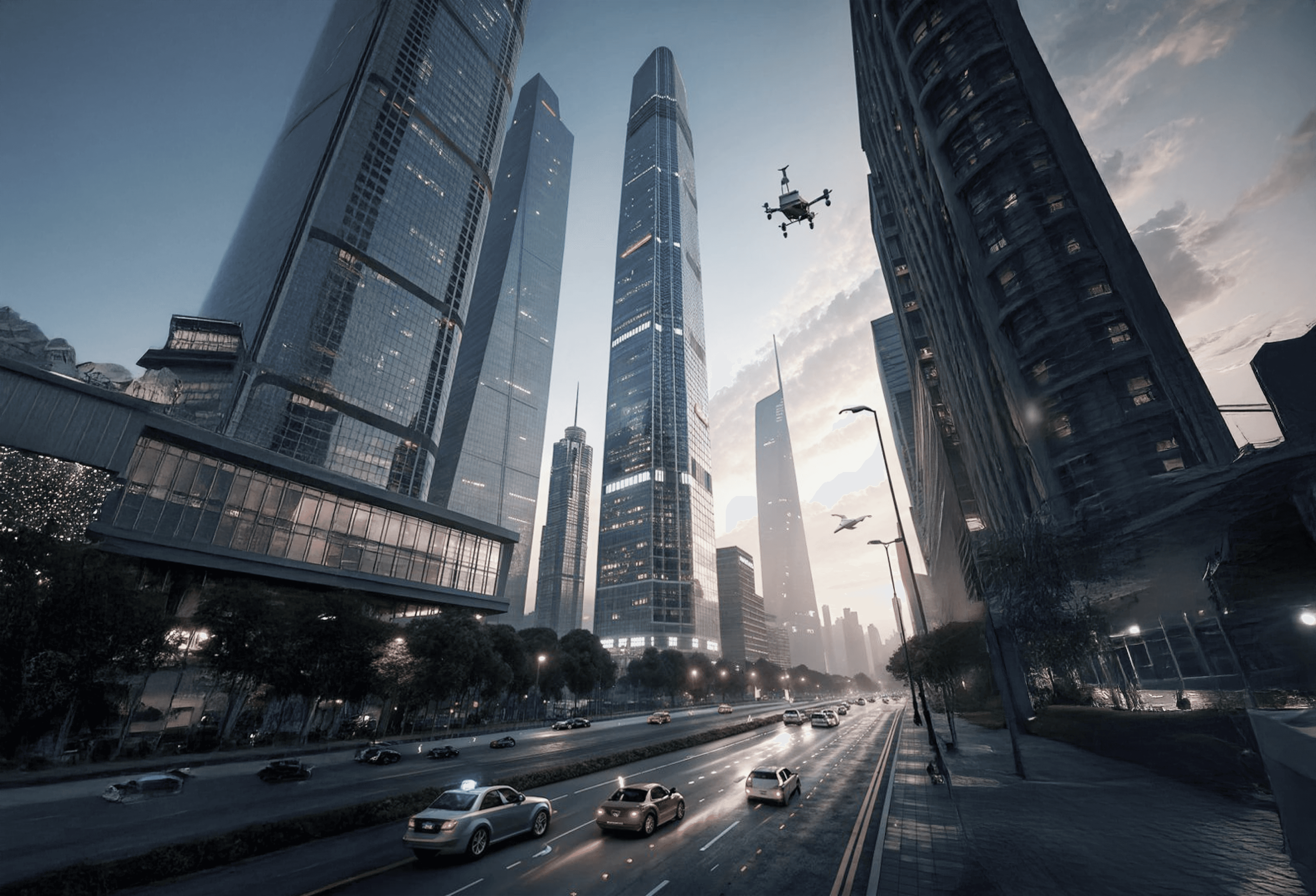

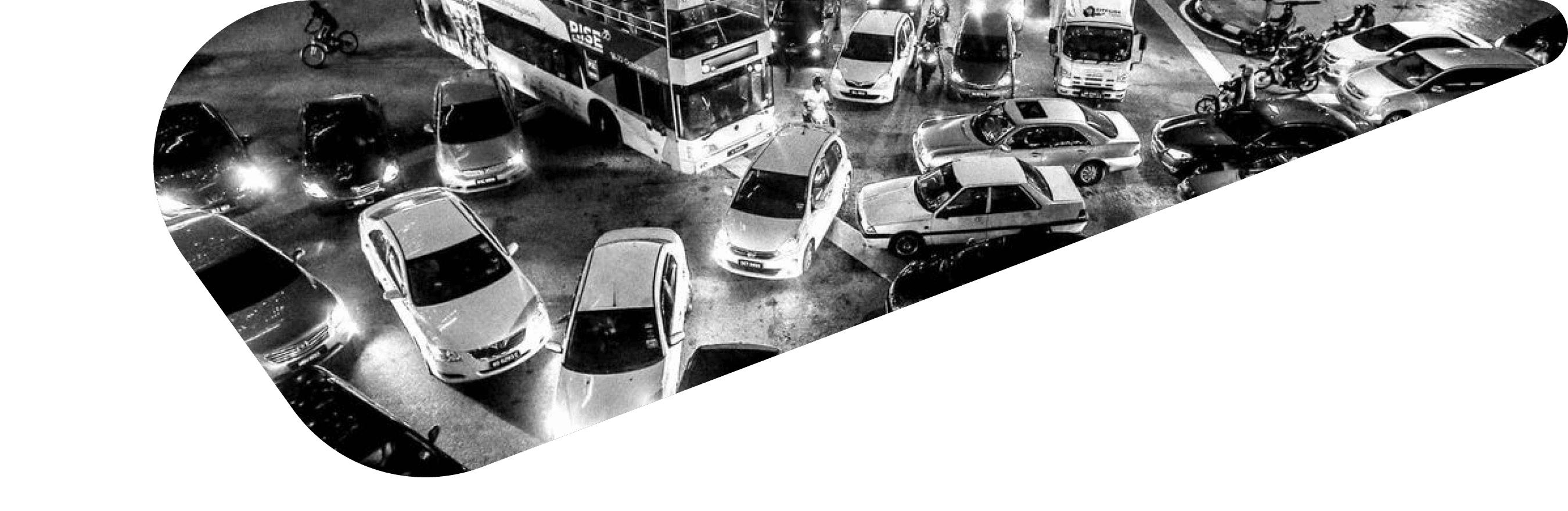
Lack of personal space
Urban living spaces continue to shrink, and privacy is becoming increasingly limited not only at home, but also while moving through the city. As a result, commuting time becomes mentally exhausting rather than restorative
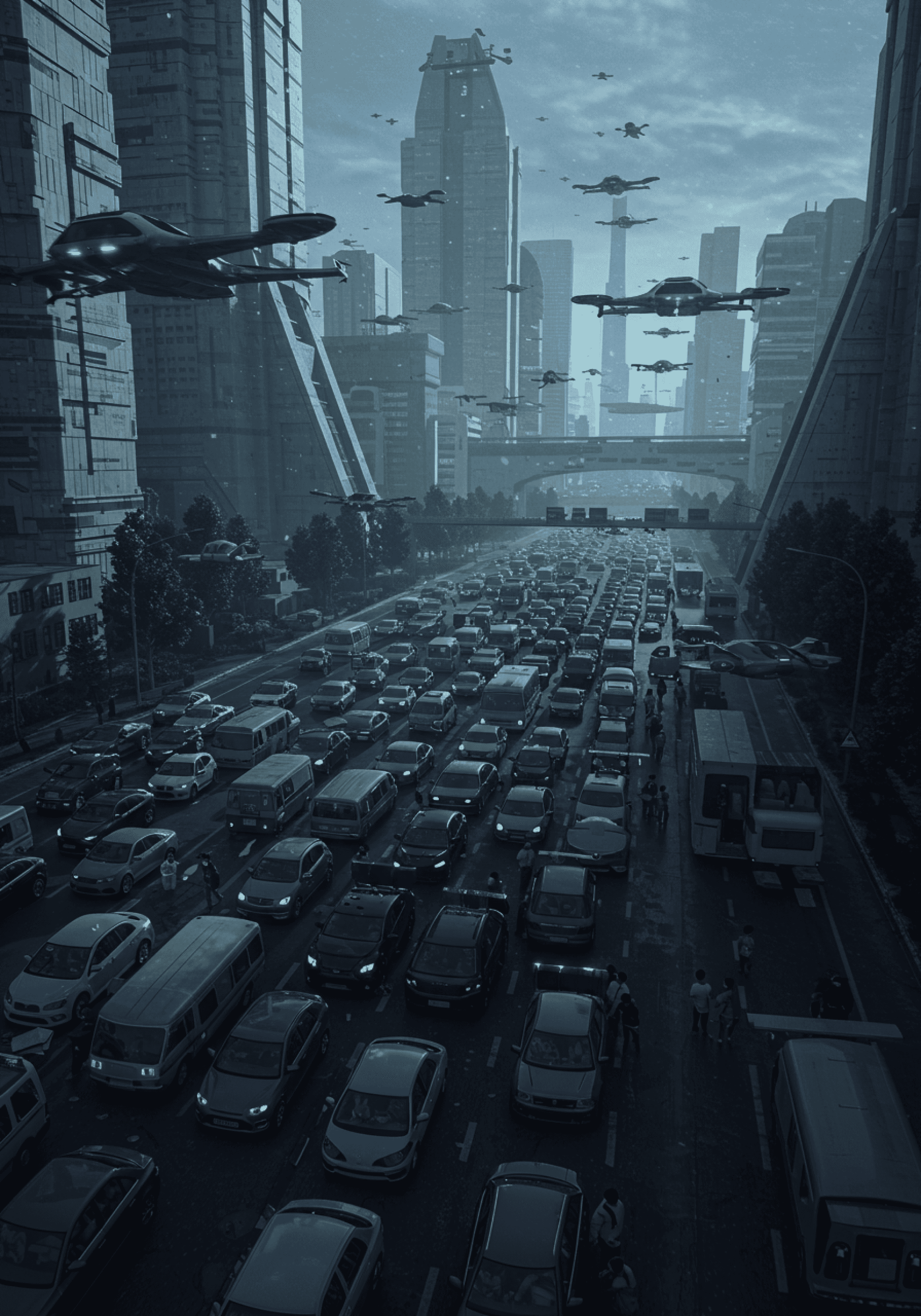
Urban stress factors
Traffic congestion, constant noise, visual overload, and reduced privacy create layered stress throughout daily travel.
These environmental pressures accumulate, turning even short journeys into emotionally draining experiences.
Digital paradox
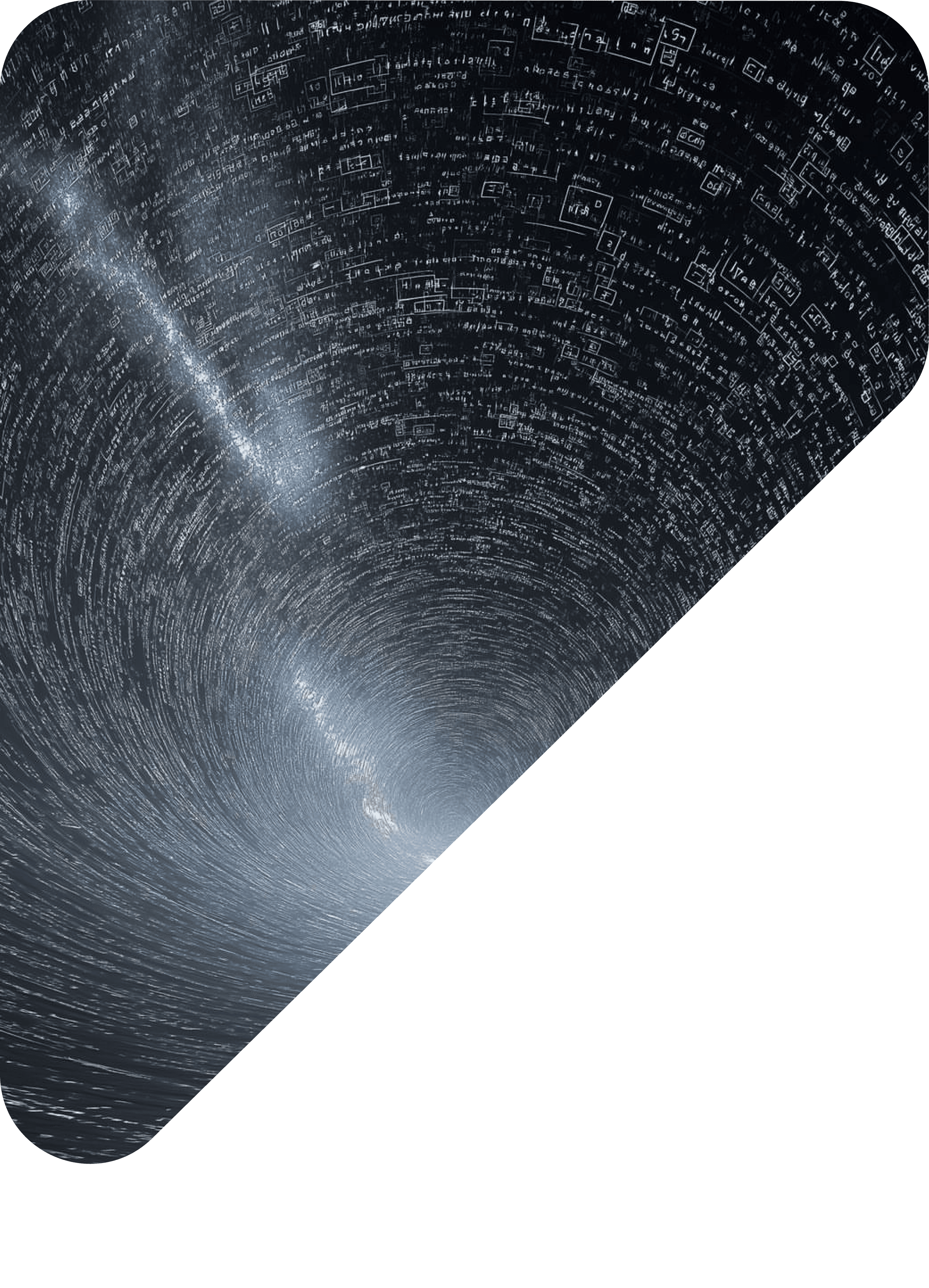
While vehicles and cities are becoming more connected and data-driven, human comfort has not evolved at the same pace. More screens, notifications, and automated systems often lead to cognitive overload rather than clarity or calm.
Problem statement
The Need for Personalized Mobility
Our vision
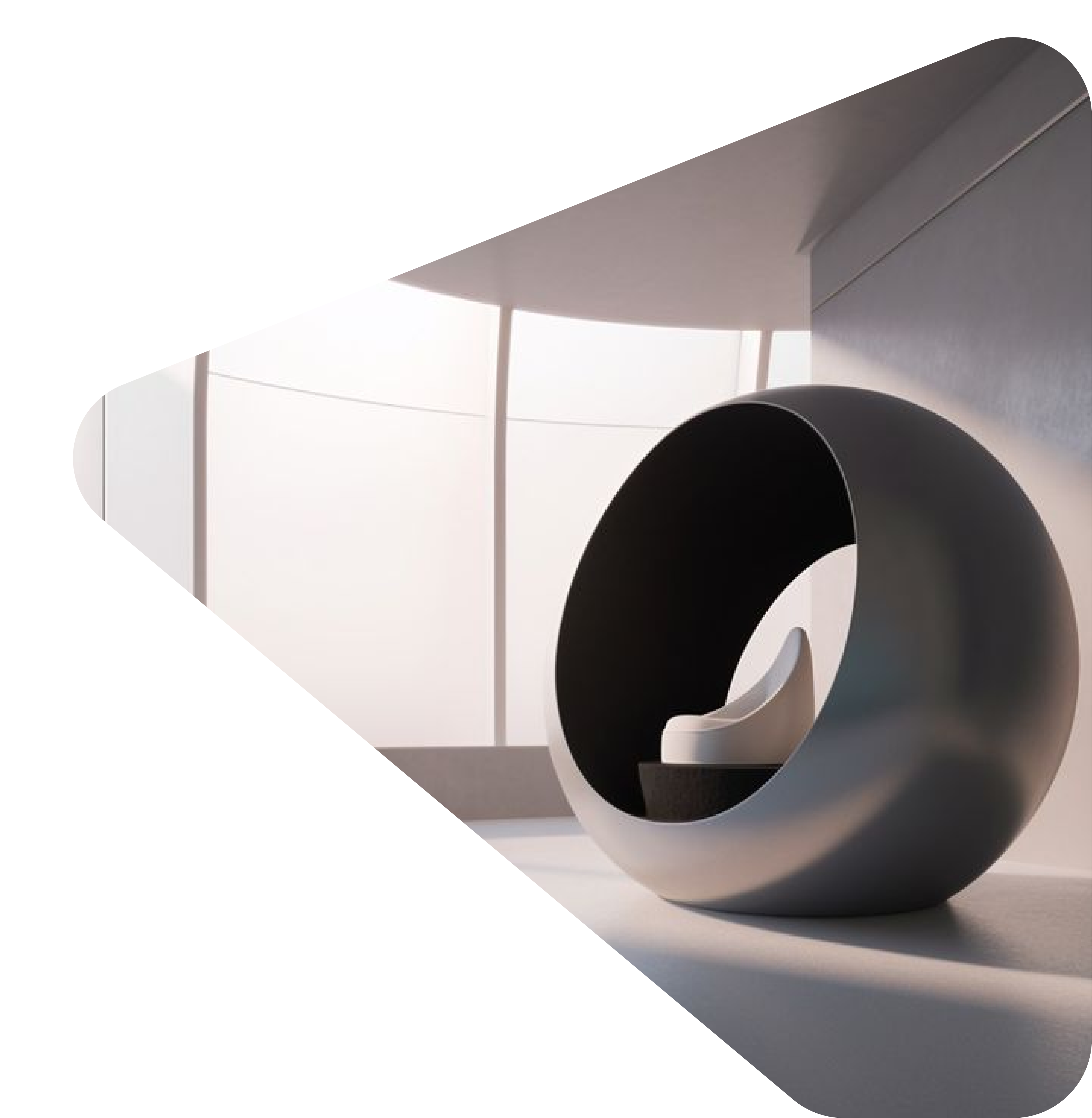
At Orbi, we envision future mobility as more than transportation.
In an increasingly crowded, fast-moving city, we believe people need a space that moves with them, not against them.

Flow
FLOW describes a state of effortless movement.
Orbi syncs with your routine, preferences, and context to create a continuous, immersive experience where transitions feel natural and time feels uninterrupted.
With FLOW, commuting becomes part of your life rhythm, not a disruption.
Cocoon
Orbi creates a protective personal shell within shared mobility.
The vehicle becomes a private sanctuary, shielding users from noise, visual distraction, and social pressure, so they can rest, focus, or simply exist comfortably while moving through the city.
COCOON is about emotional safety, privacy, and comfort, even in a shared environment.
Shift
Orbi is not a fixed experience. It transforms with your needs.
Whether you are working, resting, or seeking entertainment, the interior, interface, and atmosphere dynamically shift to support your current state.
SHIFT represents flexibility: mobility that responds to changing moods, activities, and moments throughout the day.
Find calm in your own orbit.
A moving cocoon that protects your rhythm and senses your emotions. Orbi isolates you from the chaos, so you can think, breathe, and just be.
Stay in flow. Stay in orbit.
Orbi syncs with your life, your time, your sound and your pace. A seamless connection between you and your world in motion.
Your orbit, always in motion.
Orbi transforms with you work, rest, or create.
Seats shift, lights respond, and the space evolves
around your rhythm.
KEY FEATURE
PERSONA


Main font
Aa
New Astro Soft
New Astro Soft adds a gentle, futuristic touch that perfectly fits Orbi’s smooth and human-centered design.
Style guide
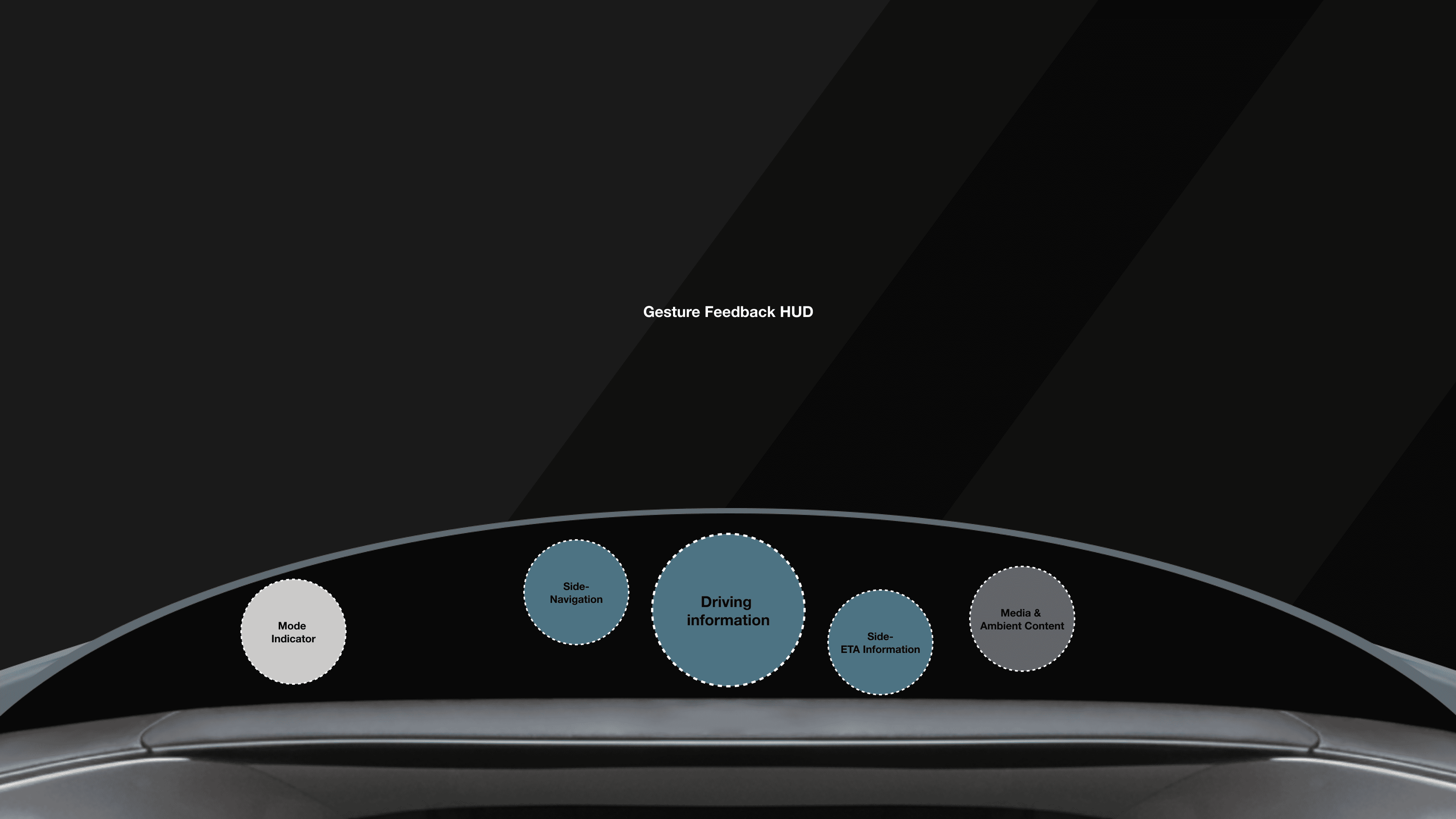
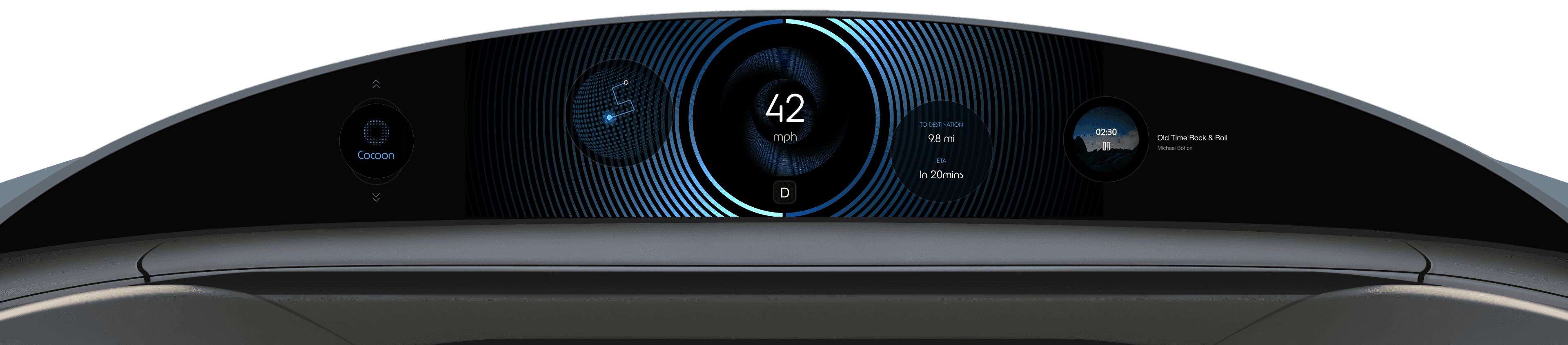
Gesture Feedback HUD
Driving
information
Side-
Navigation
Mode
Indicator
Side-
ETA Information
Media &
Ambient Content
UIUX
Components
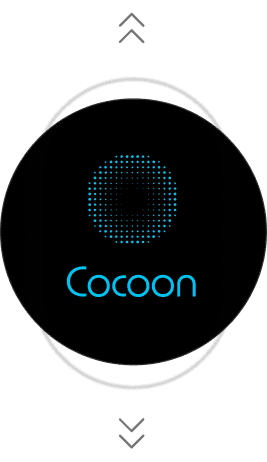

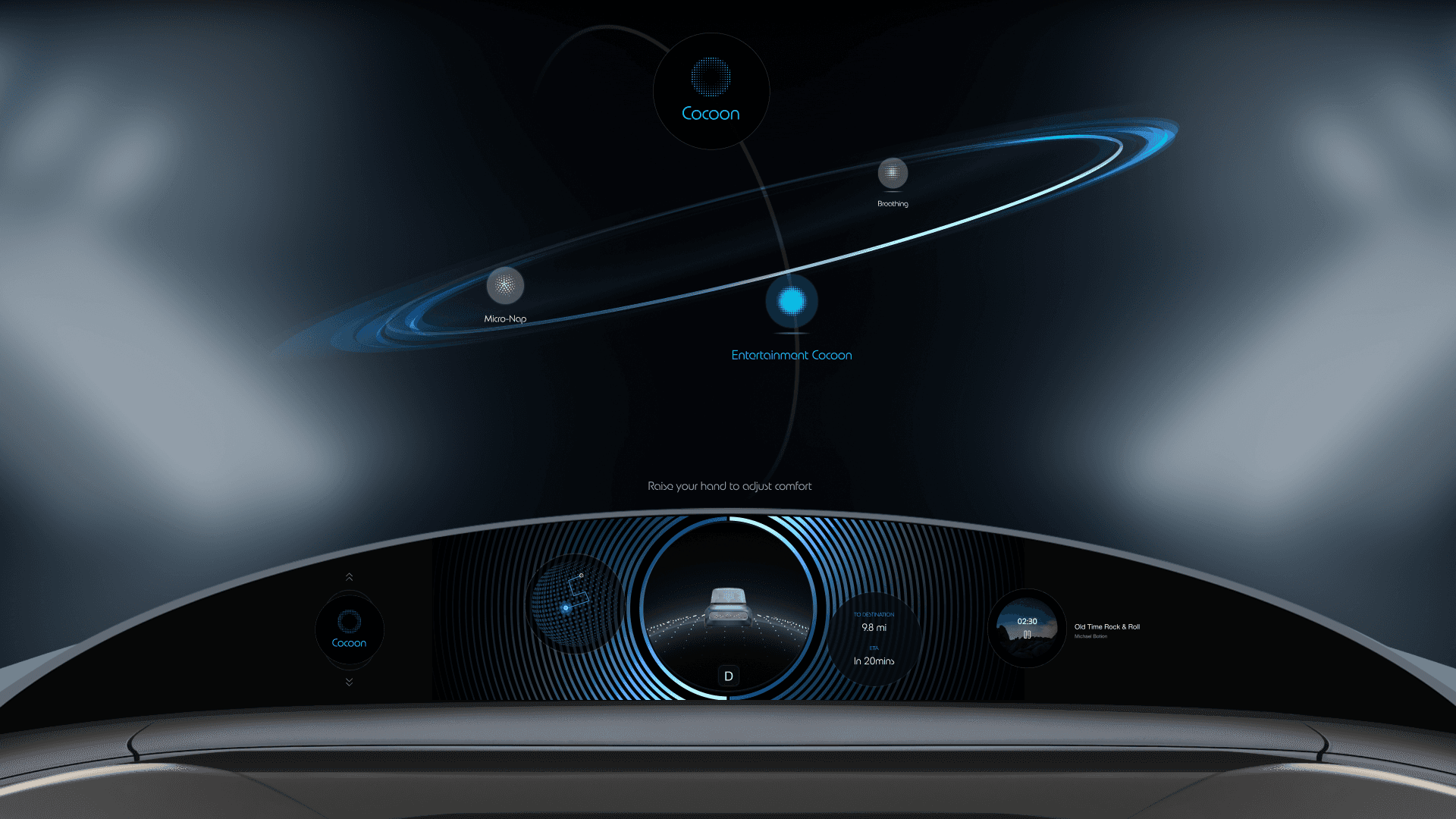
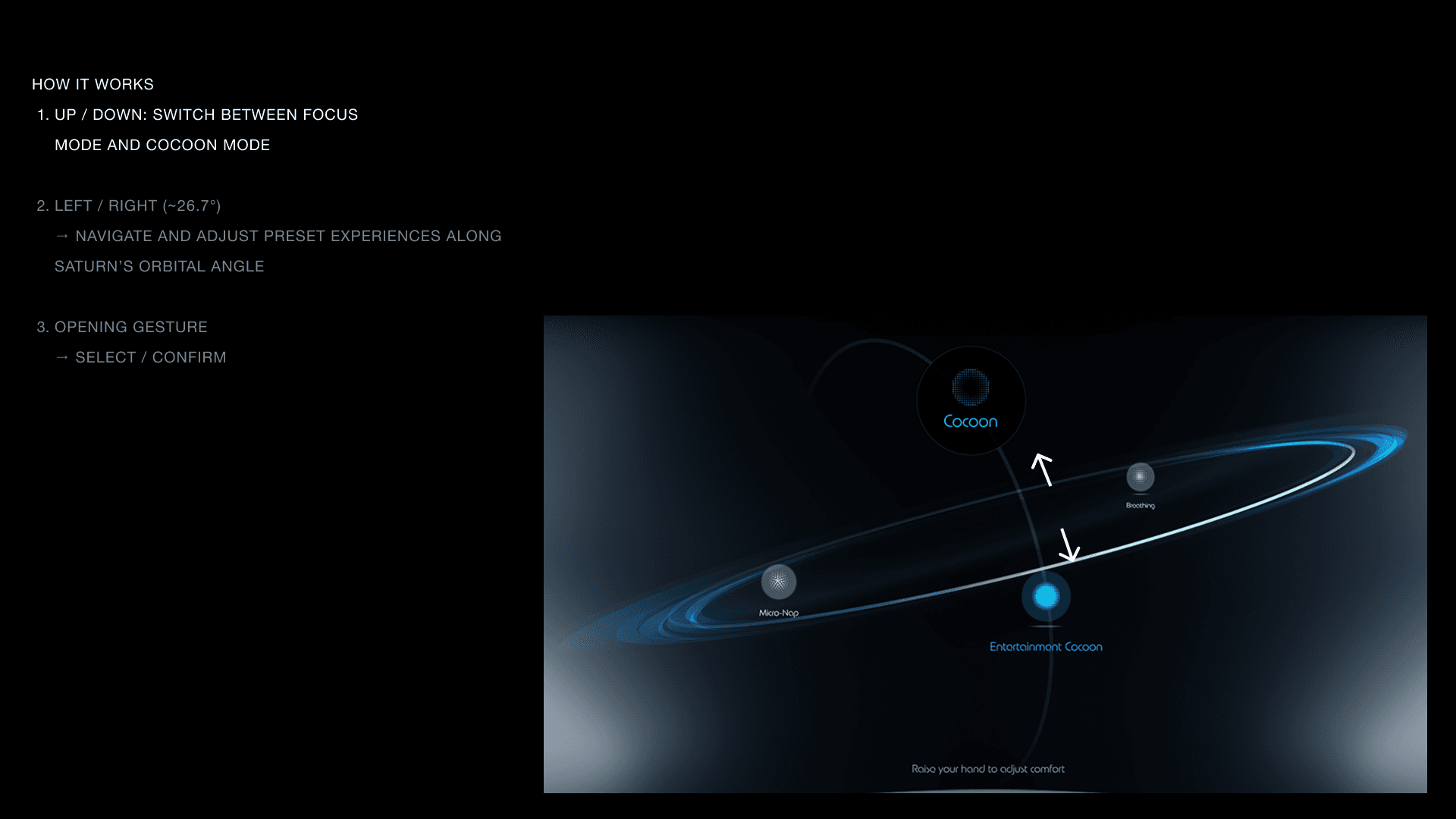
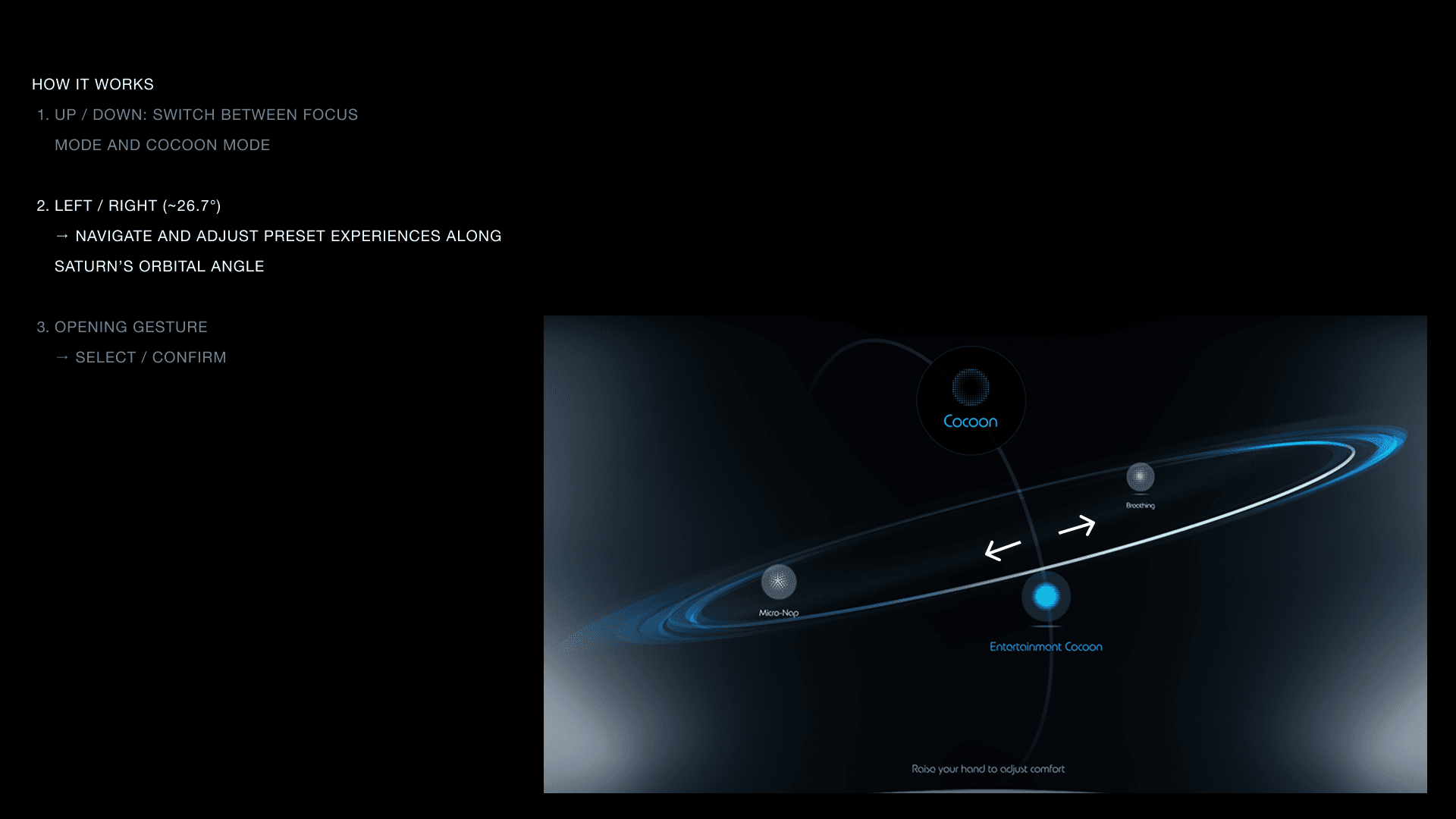
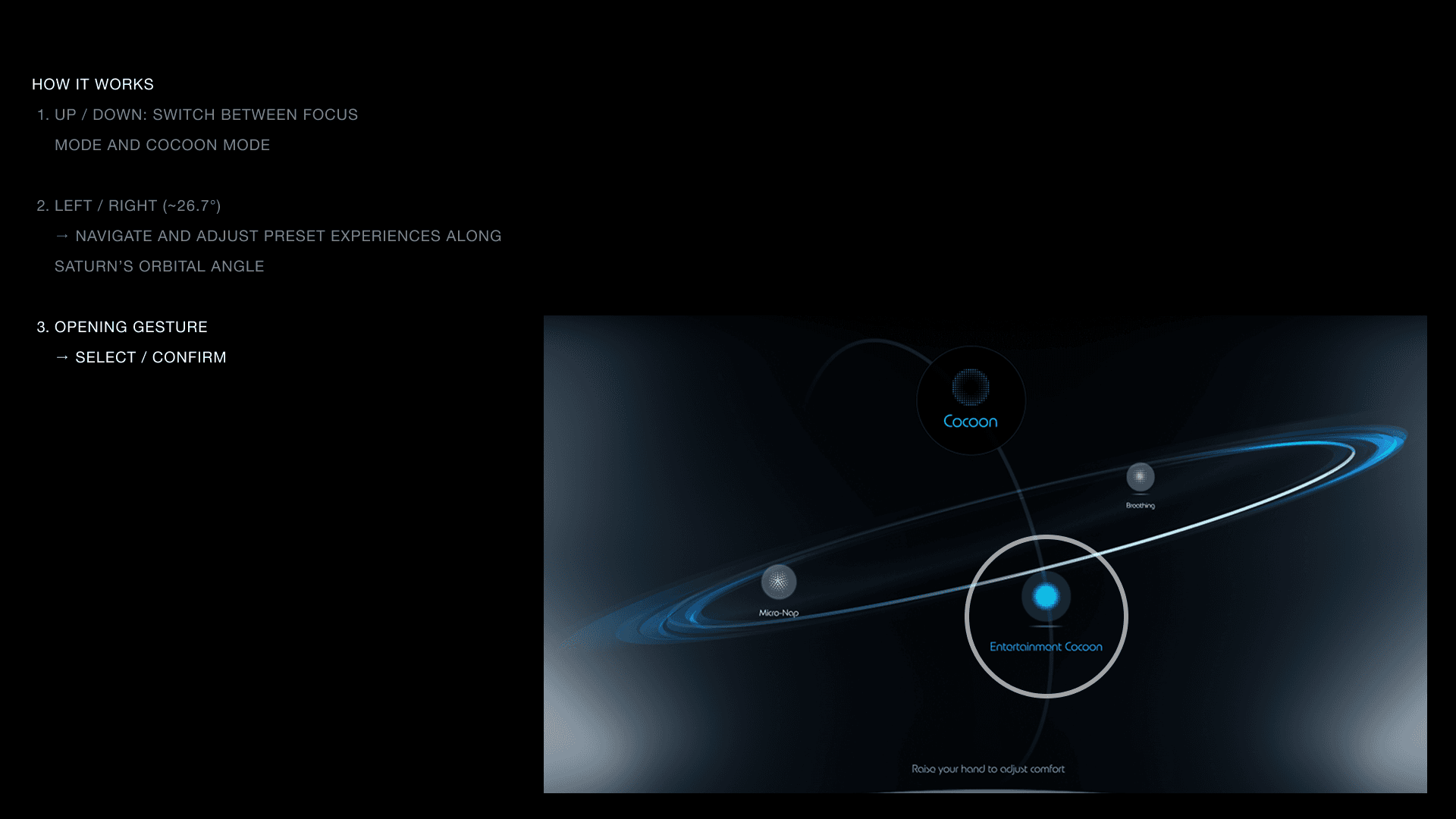
Entertainment
Breathing
Micro-Nap

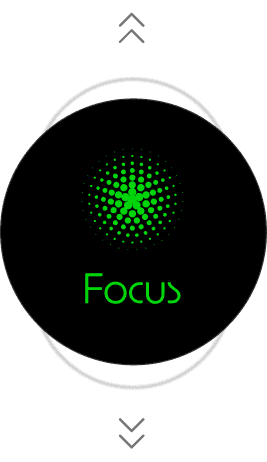
Deep Focus
Meeting

Reading


Old Time Rock & Roll
Michael Botion

02:30
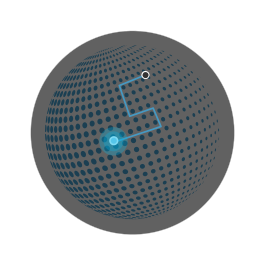
TO DESTINATION
9.8 mi
ETA
In 20mins
Screen Structure
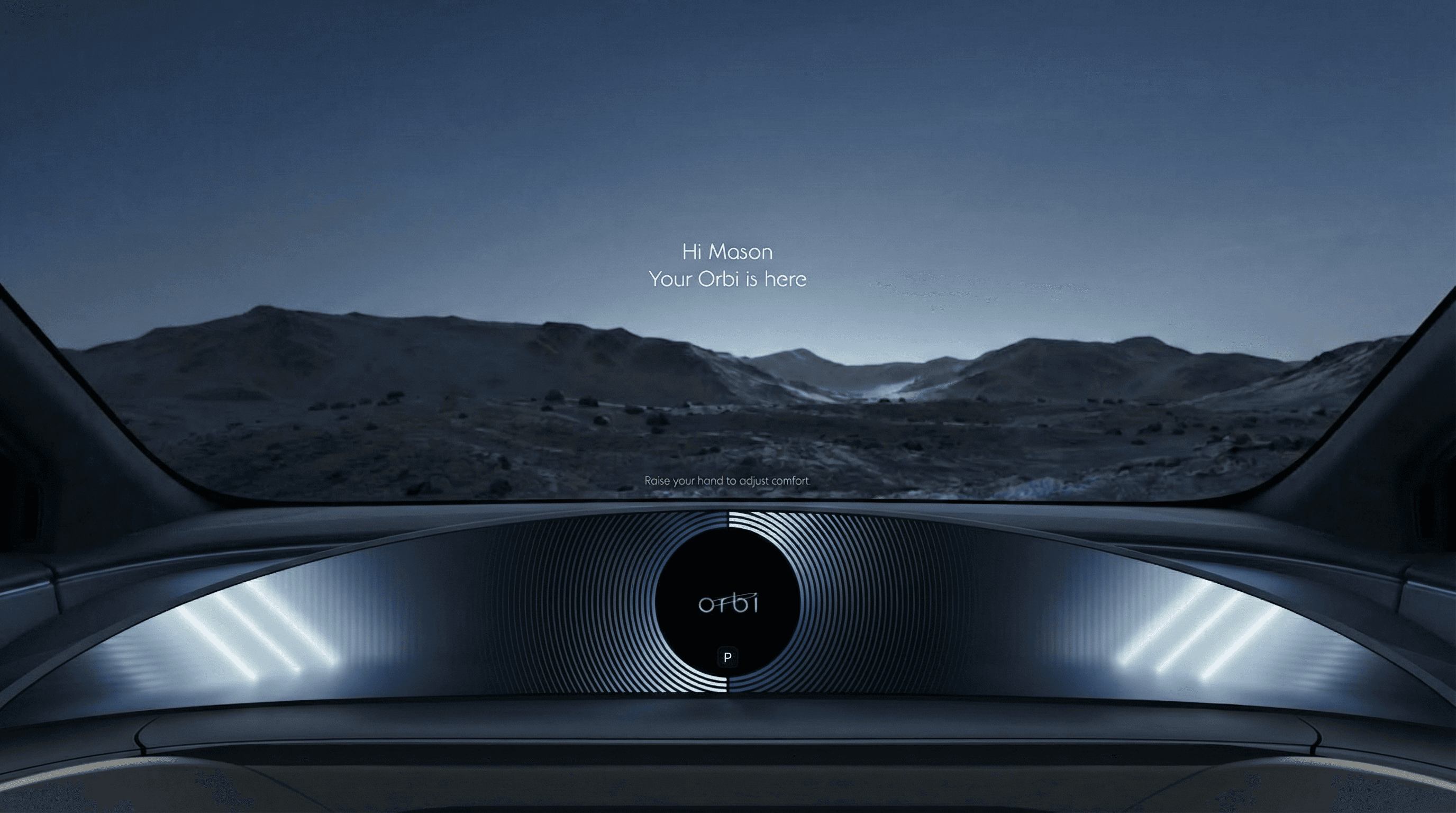
Raise your hand to adjust comfort

Hi Mason
Your Orbi is here
Cocoon Mode


Entertainment Mode
Interface design hi-fidelity
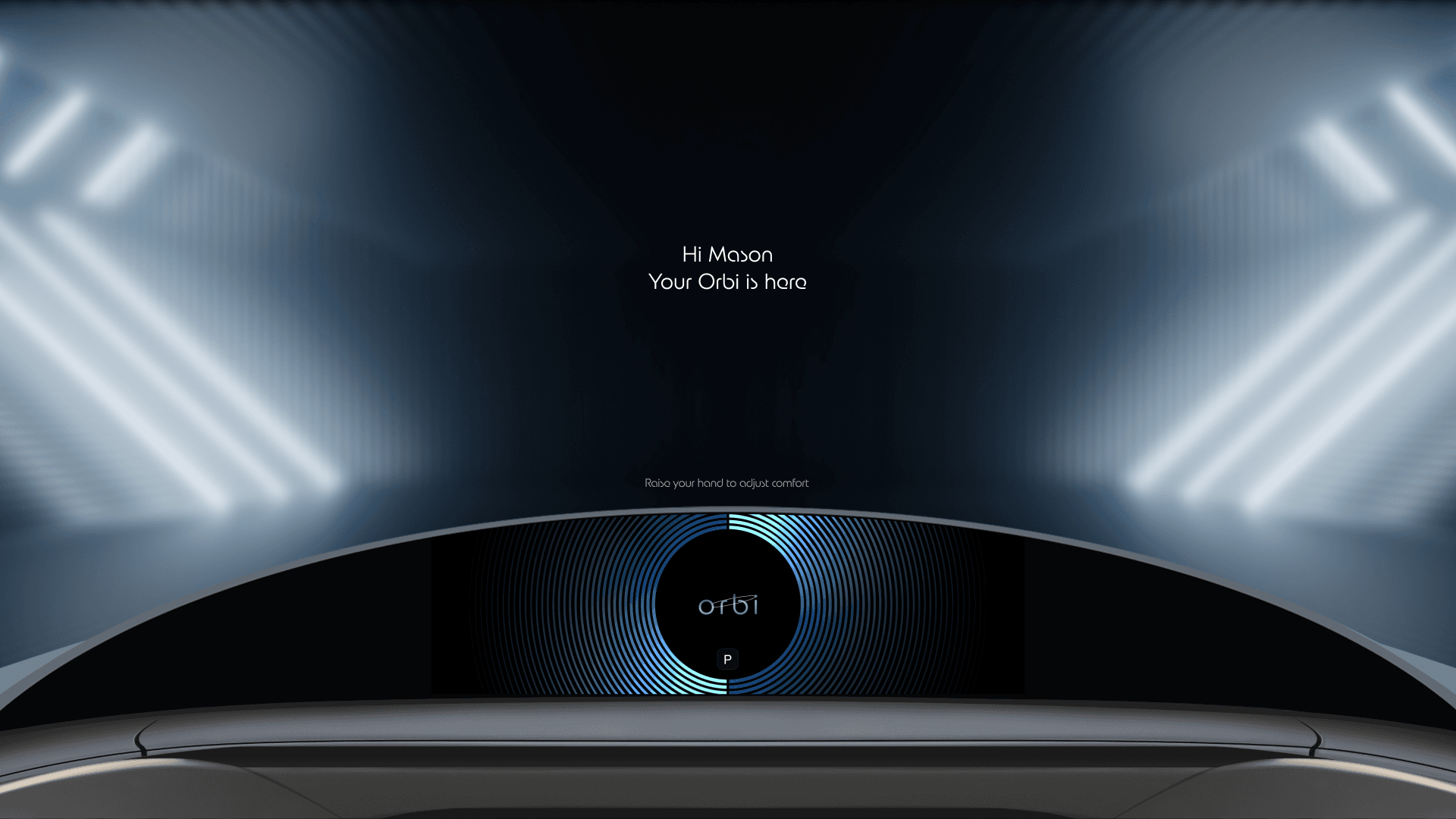

Interface design
UIUX
Final Prototyping
Project Reflection
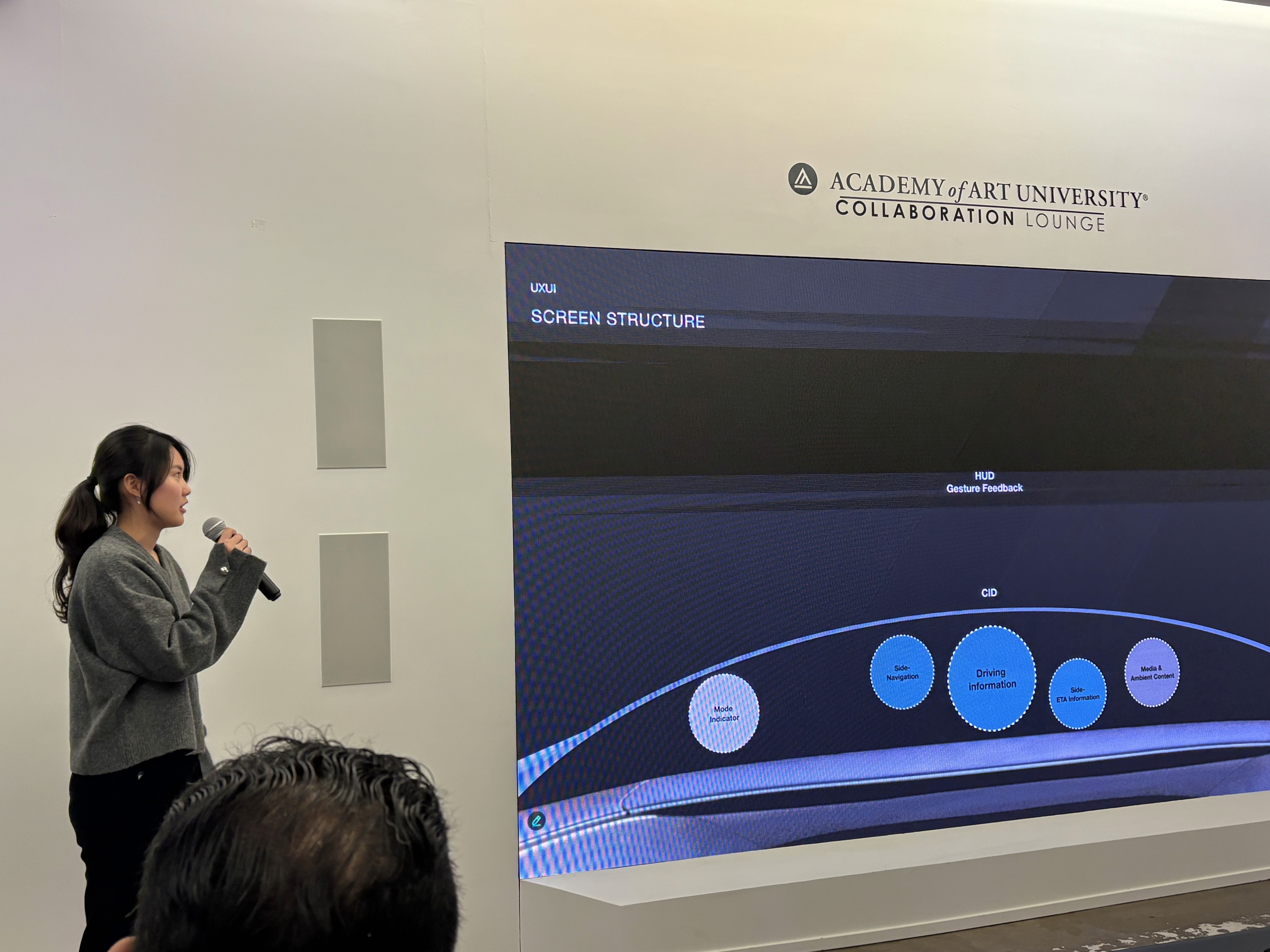
Over four months, I collaborated with three teammates from different disciplines and learned what it really takes to align ideas into one finished product. Turning a concept into a believable design wasn’t easy. I had to balance business considerations, interior/exterior constraints, and real usability while still protecting the core vision.
As the UX/UI lead, I also grew in how I communicate: I practiced explaining complex interface ideas in a simple, convincing way so even non-designers could understand and support our direction. This project was my chance to push my creativity, test how far my ideas could realistically go, and prove that Orbi could exist as a feasible product. I truly hope that in 2050, I’ll see a world where the Orbi I imagined is real.