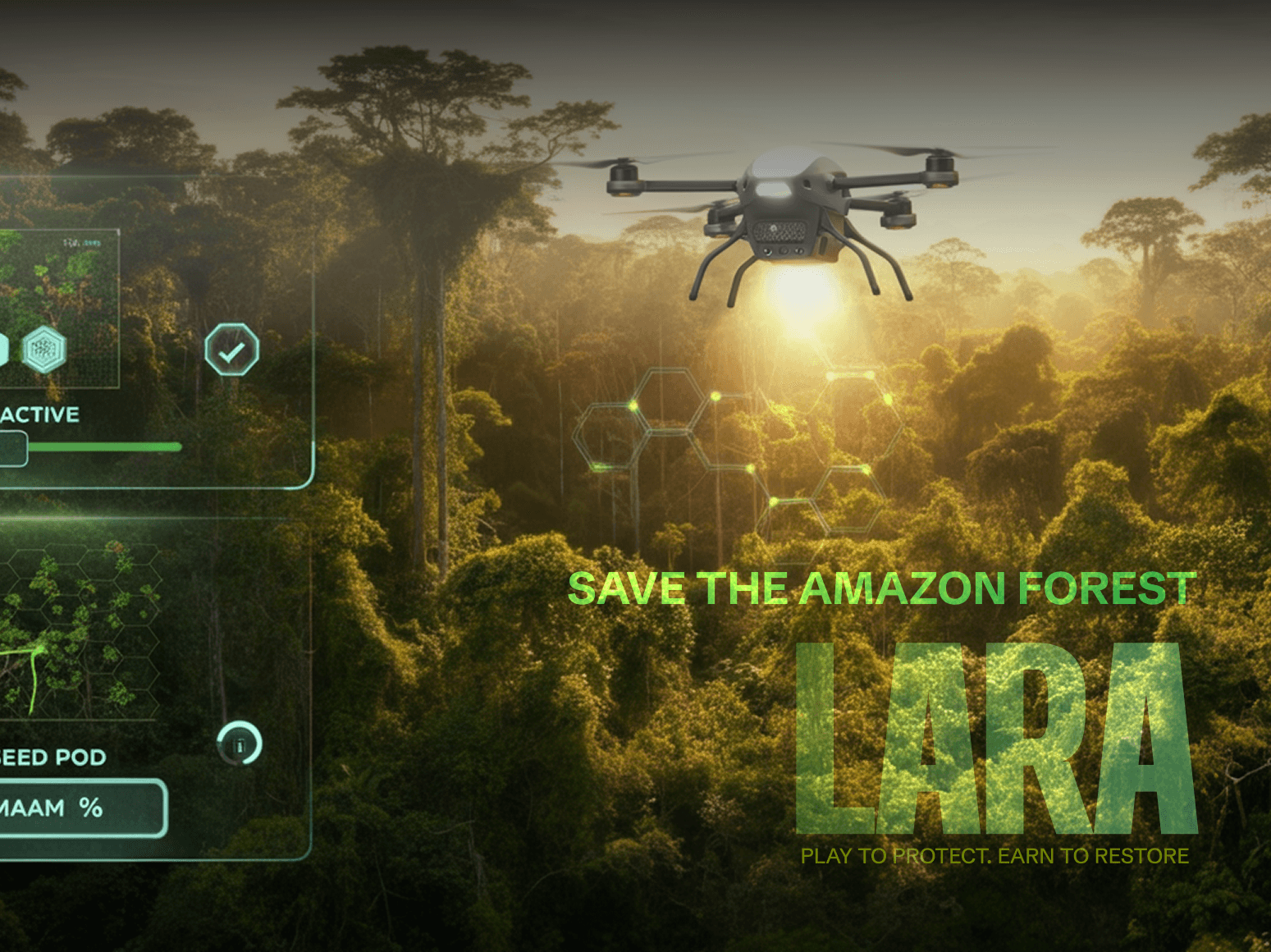
AI Hackathon 1st Place
Date
Apr 2025
Team
4 UX/UI Designers, UFSC Support
Core Skills
AI-Enhanced Design
Collaboration
Awards
Tool
Figma
ChatGPT
Visual Electric
Adobe Firefly
GoogleFX
Sora
AI-designed, award-winning AR solution for restoring the environment
Utilized a range of AI tools—including ChatGPT, Sora, Adobe Firefly, Visual Electric, and GoogleFX—to lead the entire design process from concept ideation to storytelling and visual execution.
Collaborated with a cross-functional team to create a gamified AR experience where virtual actions contribute to real-world protection and restoration of the Amazon rainforest.
Read the article
AI Hackathon
1st Place.
AI-designed, award-winning AR solution for restoring the environment. Utilized a range of AI tools — including ChatGPT, Sora, Adobe Firefly, Visual Electric, and GoogleFX — to lead the entire design process from concept ideation to storytelling and visual execution. Collaborated with a cross-functional team to create a gamified AR experience where virtual actions contribute to real-world protection and restoration of the Amazon rainforest.
Overview
"Can technology give everyday people the power to reverse global destruction?"
ReforestAR is an AI-powered AR platform designed to transform passive concern for the Amazon rainforest into active, measurable impact. This project blends cutting-edge design, artificial intelligence, and immersive interaction to turn environmental preservation into an engaging experience.
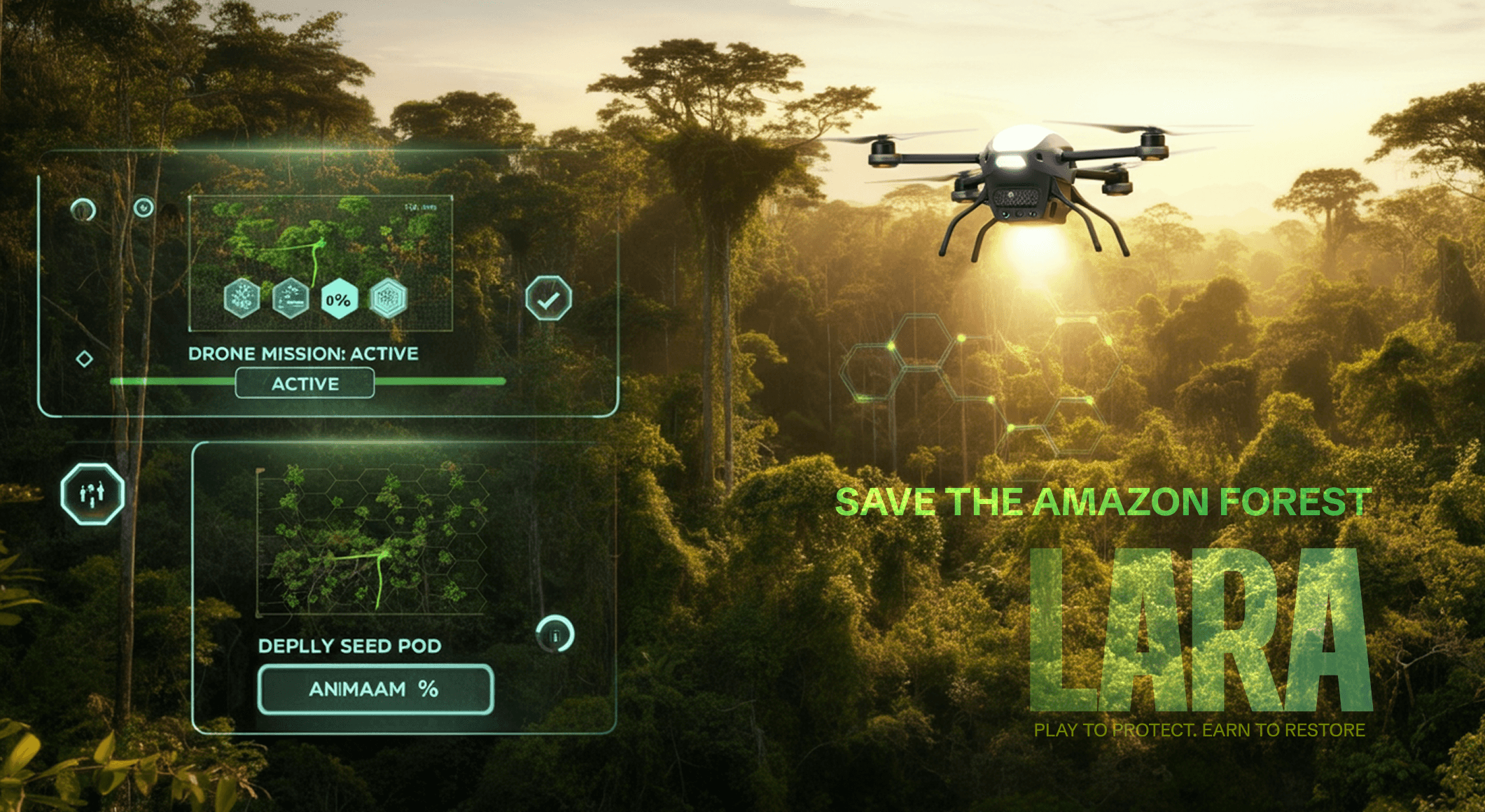
The Problem
People Care, But Action Feels Impossible
- ▸17% is already gone
- ▸At 25%, collapse is irreversible
- ▸3 football fields lost every minute
- ▸No clear or trustworthy way to act
- ▸Donations disappear in bureaucracy
- ▸Saving nature feels like a sacrifice
- ▸Corruption blocks protection
- ▸Local defenders face threats
- ▸Conservation is slow, weak, too late
We need a way that's transparent, actionable, and emotionally engaging — for anyone, anywhere.
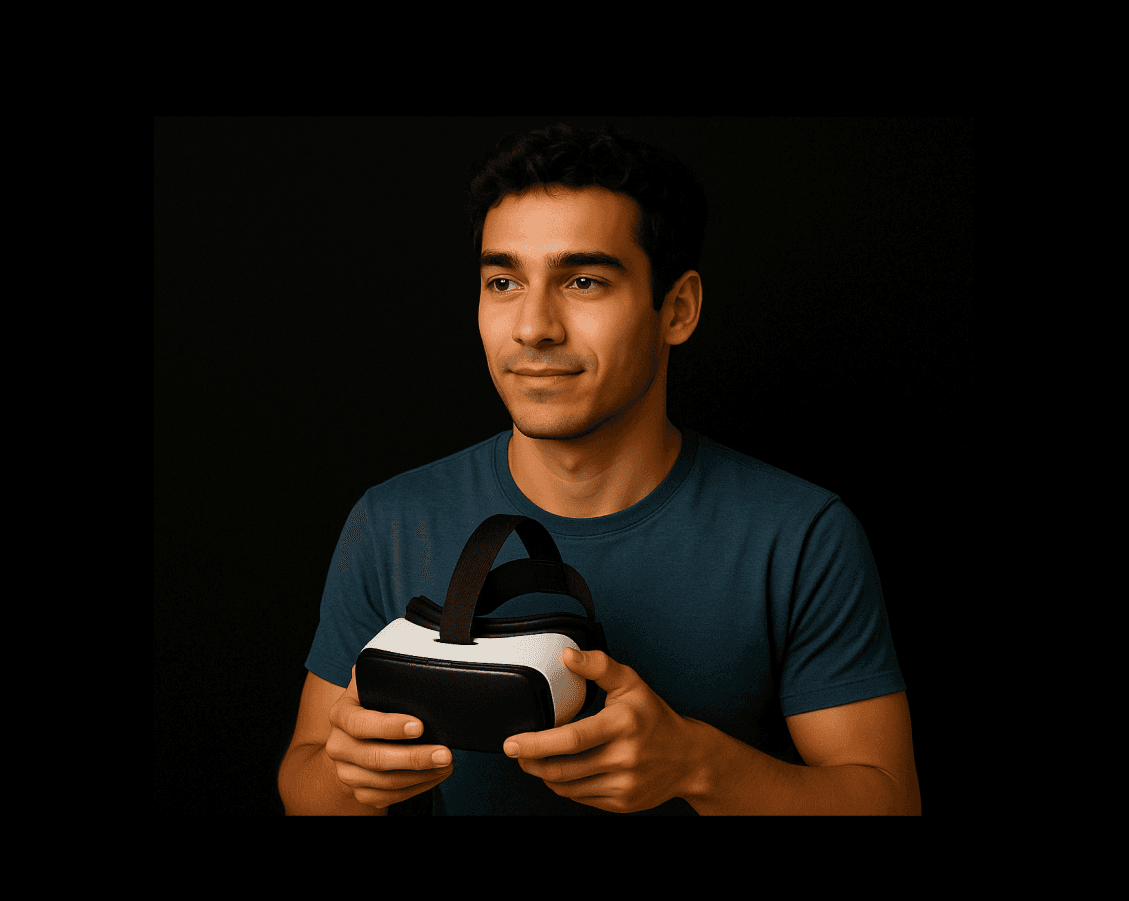
Target Persona
- ×Helpless about Amazon's destruction
- ×Lack of transparency in charities
- ×Local vs. global action feels disconnected
- →Combine sustainability with real, doable action
- →Empower global users through decentralized tools
- →Build deep emotional connection to the Amazon
"Davi needs a clear, trustworthy, and engaging way to take real action — no matter where he is."
Ideation & Research
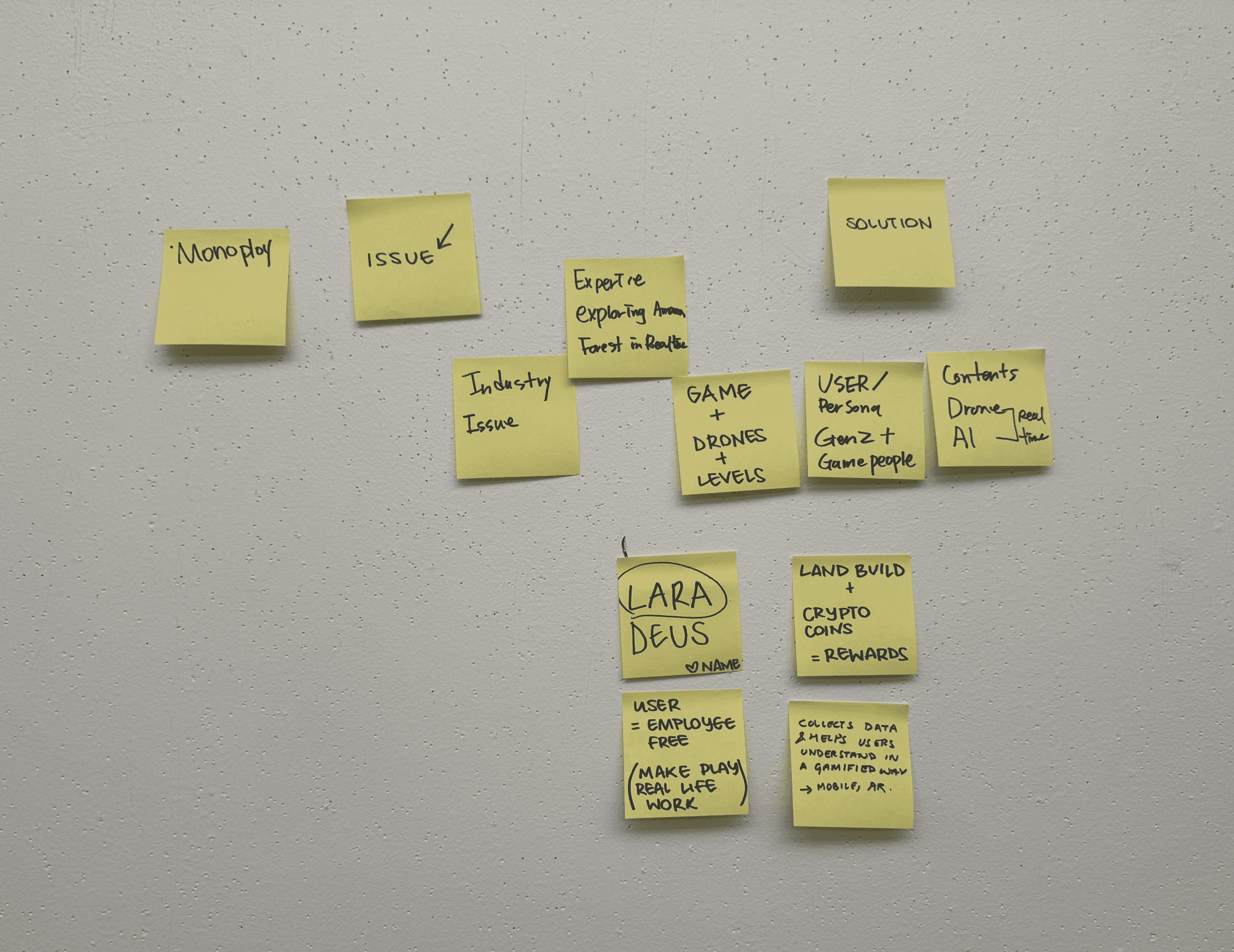
We began by analyzing the systemic failures causing Amazon deforestation — monopoly power, government inaction, and lack of transparency. From this, we identified our target audience: Gen Z users who care but feel powerless.
To create a sense of agency. Make forest restoration personal, accessible, and rewarding.
Design Solution
We designed an AR-based mobile platform where users can:
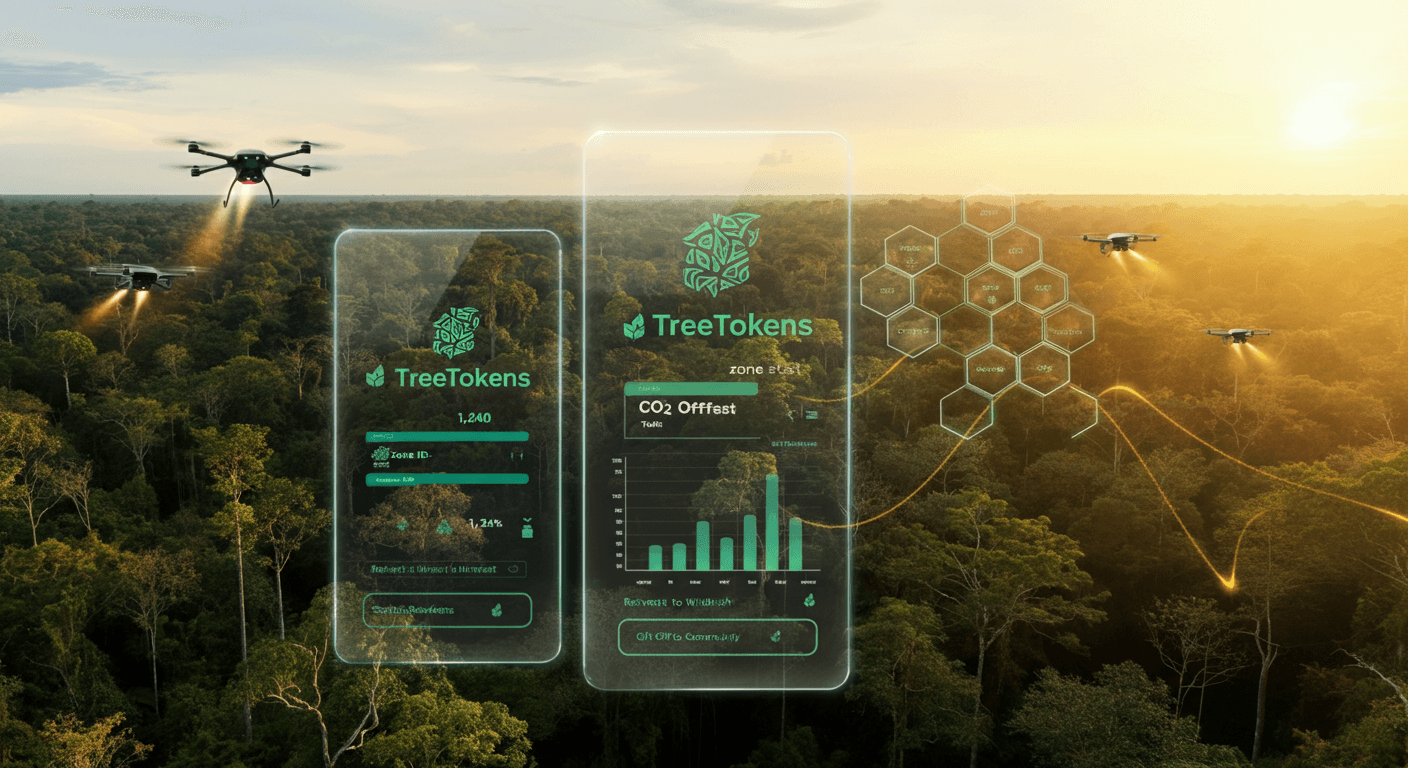
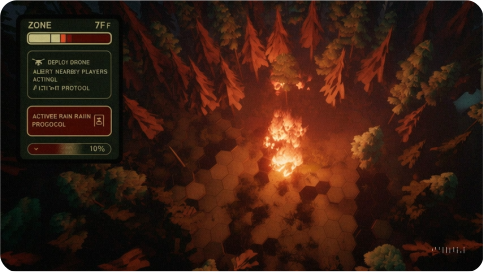
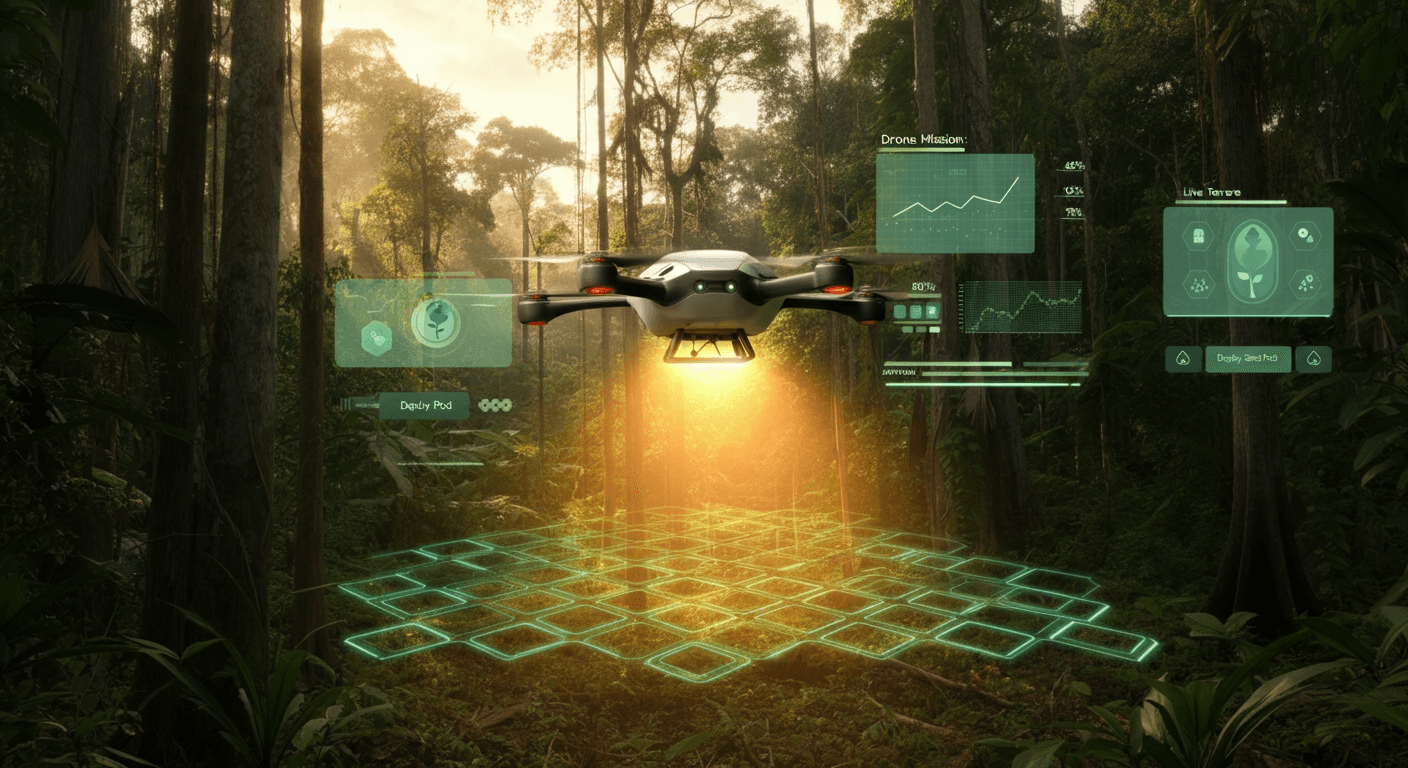
Deploy AI-generated drone missions to reforest real land.
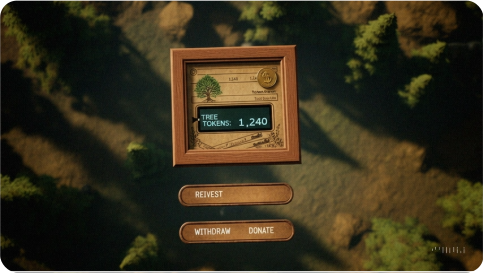
Earn tokens by restoring degraded areas digitally, synced with real conservation.
Track and visualize environmental change over time with AI analysis.
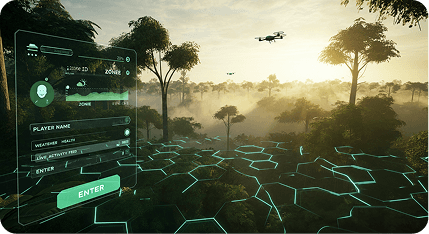
AI Terrain Mapping
To match AR interaction with real-world deforested areas. Satellite data feeds the zone classification system, ensuring every virtual action corresponds to a real endangered location.
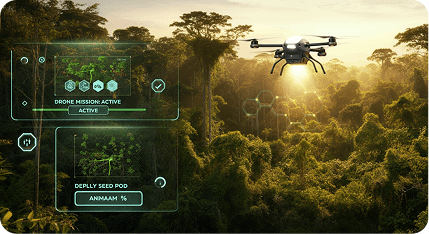
Impact Prediction Model
Users receive real-time feedback on how their actions affect the ecosystem. AI projects the 6-month trajectory of each zone based on current gameplay.
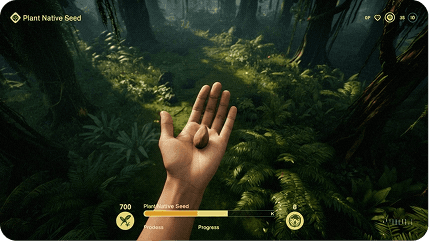
Dynamic User Path
AI adapts the user journey depending on engagement patterns — surfacing personalized mission prompts that match each user's skill level and conservation goals.
Game Mechanics &
Ecosystem Flow
What Kind of Game Is It? — An AR-based Play-to-Earn eco-restoration game where users can protect and regenerate the Amazon rainforest through immersive gameplay that bridges virtual and real-world actions.
Game System Overview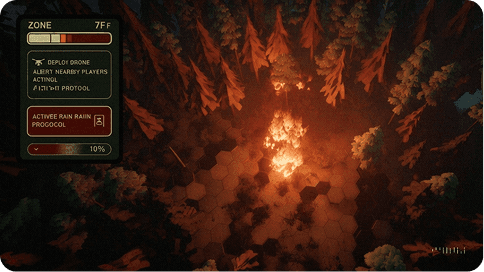
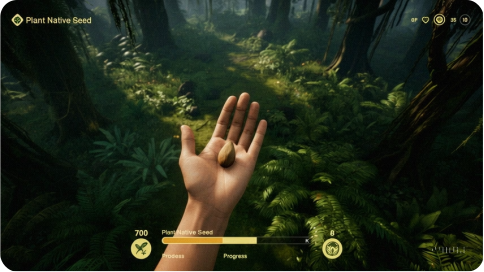
Enter the Virtual Amazon
Users begin by entering a virtual replica of the Amazon using AR, helping create emotional immersion and environmental awareness.
Final Demo
Outcome
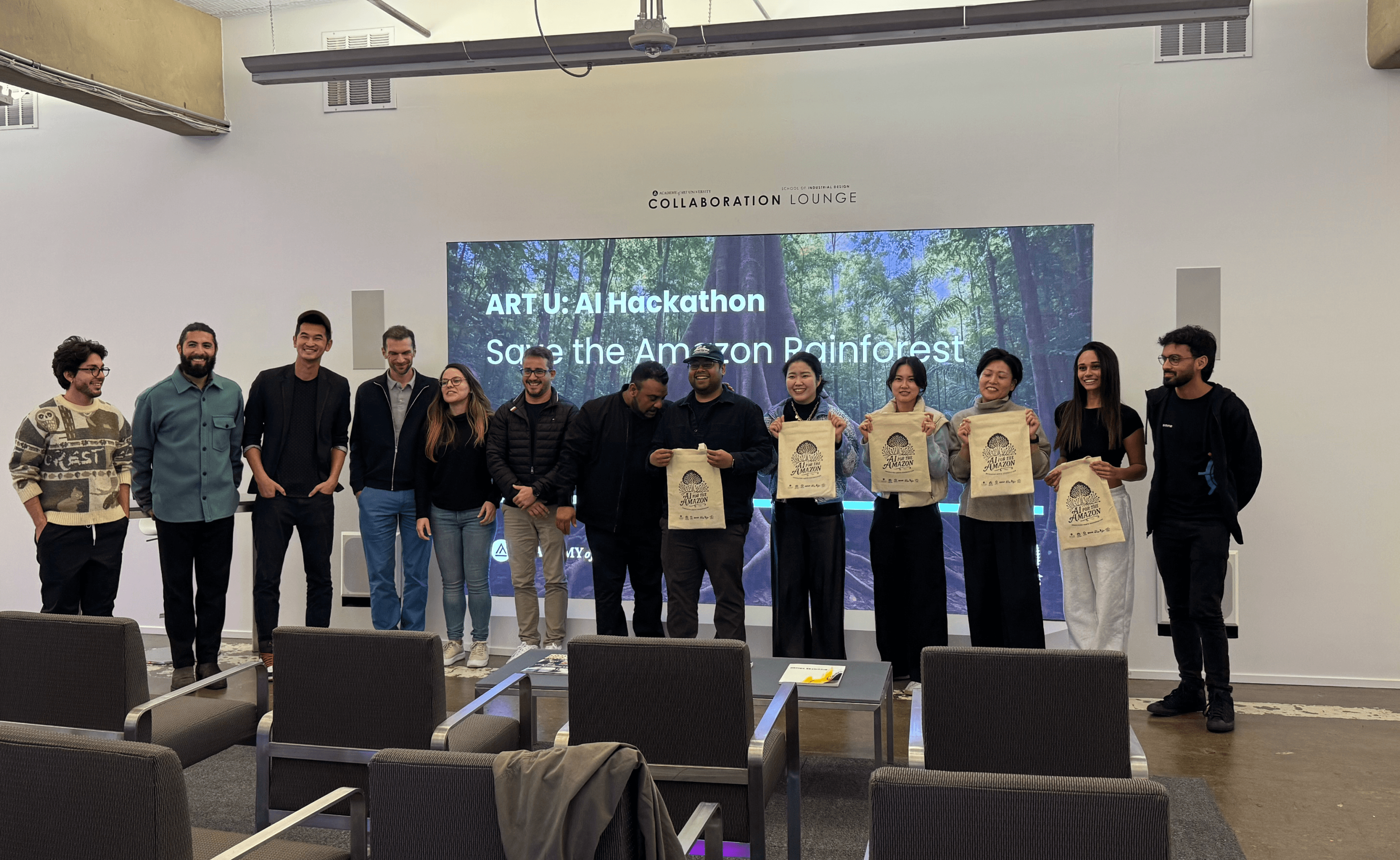
AI Hackathon — San Francisco
Our project won first place at an AI Hackathon in San Francisco for its emotional impact and real-world relevance.
The judging panel responded positively to the "tangible impact" feedback loop, where in-game actions were designed to inspire real-world environmental change.
This demonstrated how human-centered, thoughtful design can make AI feel emotional, empowering, and purpose-driven — not just technical.
Reflection
This project began with a question: Can AI and AR help solve the Amazon rainforest crisis? Exploring how technology can reconnect people with nature was inspiring. But as we built the concept, key challenges became clear:
- —Is this idea actually feasible?
- —Will users stay engaged?
- —Is there a path to real impact and funding?
Gamifying the issue helped make it feel personal, but I learned that broader accessibility requires deeper user research — especially across different age groups and tech familiarity.
It reminded me that impactful design starts with bold ideas, but succeeds when grounded in real needs, limitations, and empathy.